
Popular Women’s Day Flowers in Different Countries
Women’s Day carries different meanings depending on where you are. In some places, it feels celebratory. In others, it feels reflective. Across cultures, people choose to send flowers for Women’s Day not because they define women, but because they help express respect in a way that feels natural. The flowers chosen on Women’s Day are rarely random. They often carry stories shaped by history, local values, and shared experiences.
Italy
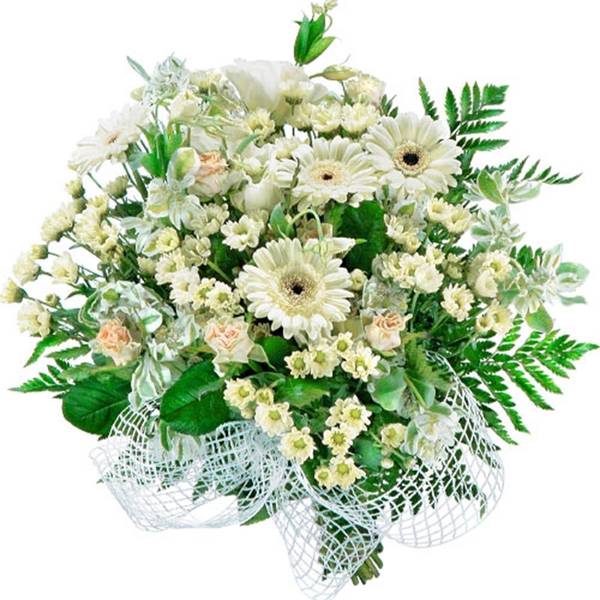
In Italy, March 8 arrives with mimosa everywhere. You see it on street corners, in shop windows, and carried home in small bunches. The flower found its place after the war, largely because it was easy to grow and available when other options were limited. That practicality stayed with it. Today, mimosa is often exchanged between women themselves. It does not feel ceremonial. It feels shared, like a quiet nod of recognition.
Russia and Eastern Europe
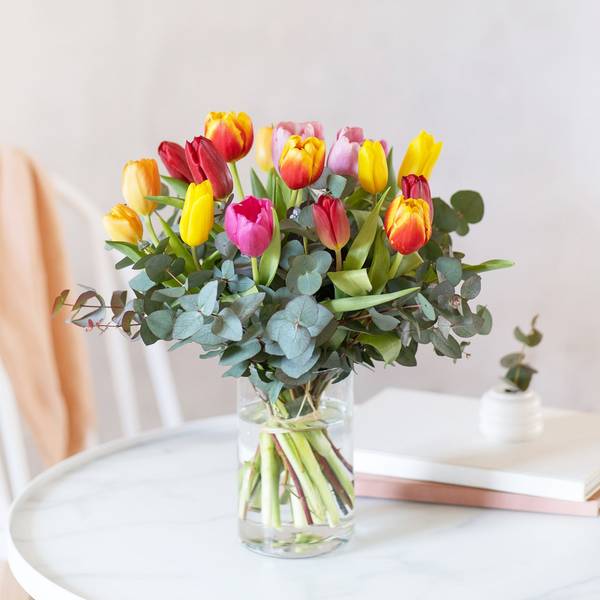
In Russia and neighbouring regions, Women’s Day arrives just as winter begins to ease. Tulips start appearing in large numbers, filling homes and workplaces with colour. Red, pink, and yellow are common, standing out after months of grey. Lilies and roses appear too, passed between family members, teachers, colleagues, and friends. The flowers move through everyday spaces, which gives the day a broad, inclusive feel rather than a romantic one.
France
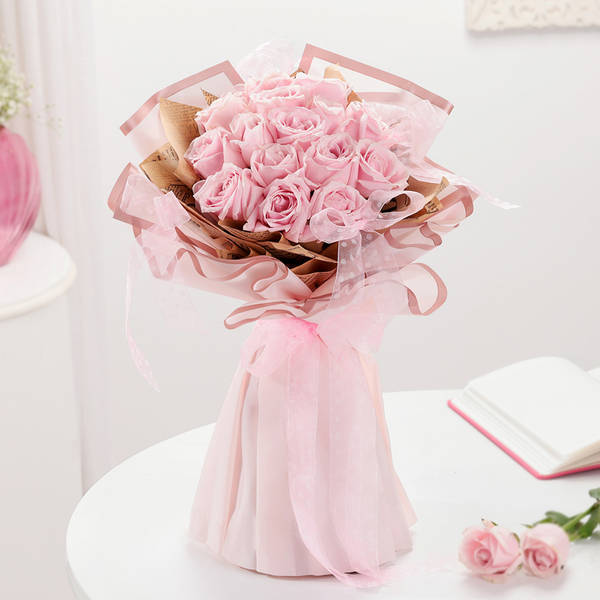
In France, Women’s Day gestures tend to be restrained. Roses are common, but they are chosen carefully. Pink roses are often picked when the feeling is appreciative, white ones when the tone is respectful. Bouquets stay simple. Sometimes the flowers are paired with a short handwritten note instead of elaborate wrapping. The gesture feels personal without being performative, which aligns with how appreciation is usually expressed here.
China
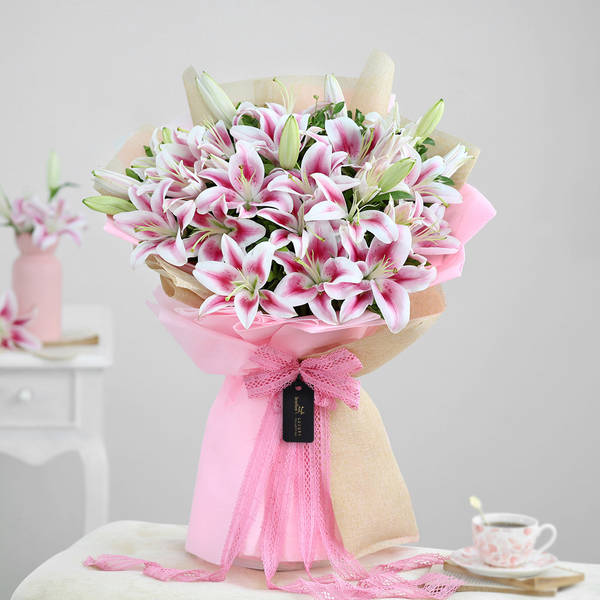
In China, Women’s Day is visible in public and professional settings. Schools and offices mark the day, often by presenting flowers collectively. Lilies appear frequently, partly because they feel appropriate in shared spaces and carry a calm presence. Orchids are also common, valued for their quiet elegance. The act of giving is often done as a group, turning the moment into something communal rather than individual.
India
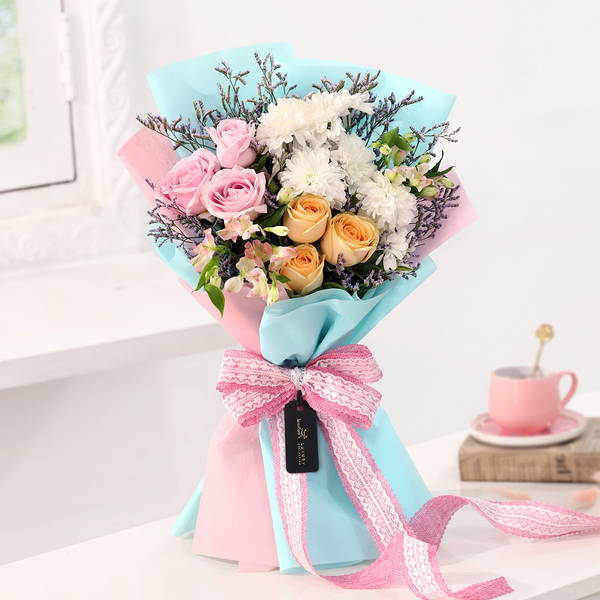
In India, Women’s Day flowers rarely come as a single variety. Mixed bouquets are more common, bringing together roses, gerberas, lilies, and carnations. Each flower adds its own tone, and together they suit the many roles being acknowledged. Flowers move between colleagues, mentors, mothers, friends, and teachers. The gesture stretches across relationships, which is why mixed arrangements feel natural rather than symbolic.
United States
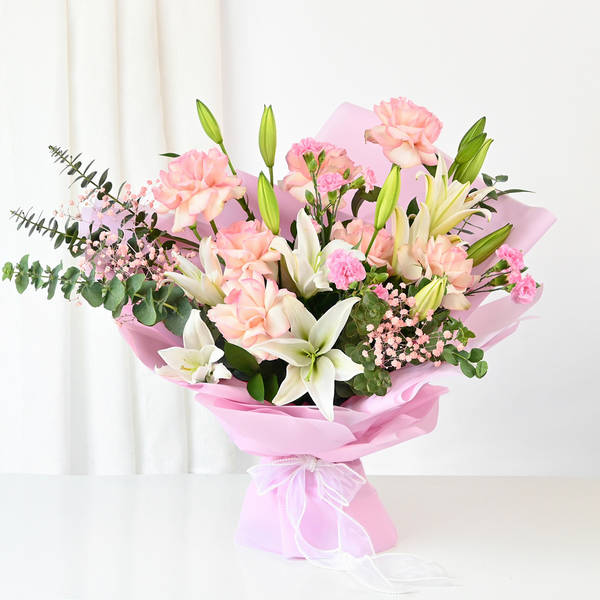
In the United States, Women’s Day flowers are shaped more by personal preference than by fixed tradition. Roses remain popular, especially in softer shades, but seasonal flowers like tulips and daffodils are just as common. Flowers are given in families, workplaces, and community spaces. The choice often reflects the person receiving them rather than any established custom.
Latin America
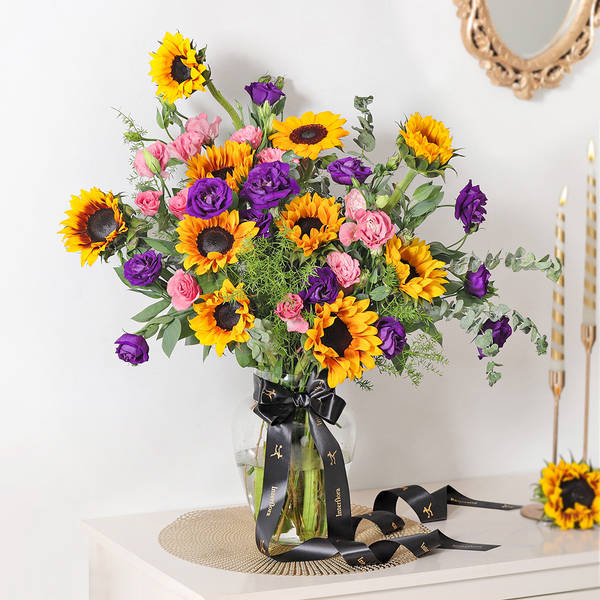
Across much of Latin America, Women’s Day is marked by colour and presence. Gerbera daisies, sunflowers, and bright roses appear in full, expressive arrangements. The flowers match the way the day is observed—open, warm, and visible. Bouquets are generous and lively, reflecting the importance of being seen and acknowledged.
Choosing Flowers That Feel Right
Across cultures, the meaning of Women’s Day flowers stays consistent even as traditions change. Soft colours are often chosen when the gesture is appreciative. Bright shades suit a celebration. Whites and purples feel appropriate when the tone is respectful. Most people do not follow charts or rules. They choose what feels sincere in the moment.
More Than One Day
Women’s Day flowers are rarely limited to one relationship. They are given to colleagues who make work easier, mentors who shape paths quietly, friends who show up consistently, and family members whose care is constant. In many places, this wide circle of recognition is what gives the day its depth.
Women’s Day Flowers from Interflora
When people use Interflora for Women’s Day, they usually keep the choice straightforward. Many choose to send a flower bouquet with roses, lilies, gerberas, or mixed arrangements. Some plan their orders early, others decide closer to the day. The service is used across borders too, with deliveries reaching over 130 countries. The flowers are handled carefully, and the focus stays on sending something meaningful rather than making it feel elaborate.
Read More,
Flower Personalities: Find the Ideal Women’s Day Gift
Why Women Love Flowers: The Beauty of Floral Gifts
Power of Women in the Floral Industry
Timeless Women’s Day Gifts – Flowers & Plants Ideas – Interflora